The Crossing
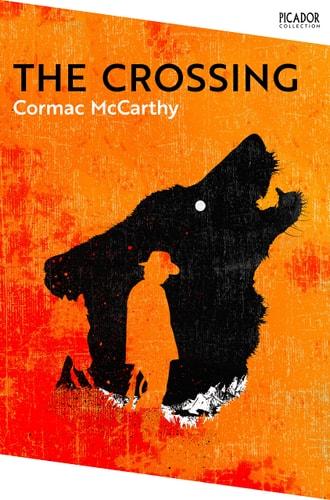
Characters (8)
| Name | Aliases | Role |
|---|---|---|
Billy Parham A New Mexico ranch boy who crosses into Mexico three times, each journey marking a deeper loss. First to return a wolf to the mountains, then to find his brother Boyd, and finally alongside John Grady Cole on the ranch near the border. Taciturn, solitary, and haunted by everything he has witnessed and failed to prevent. | Protagonist | |
Boyd Parham Billy Parham's younger brother. Bold and impulsive where Billy is cautious, Boyd crosses into Mexico and acquires a near-mythic reputation among the Mexican poor. Billy spends much of The Crossing trying to find him. | Supporting | |
Don Arnulfo A very old, bedridden Mexican man who once knew the trapper Echols. He speaks philosophically about wolves, saying they are unknowable, and offers Billy cryptic advice about where to set his traps. | Minor | |
Mr Echols A legendary wolf trapper who has already caught most of the wolves in the region. He is absent during the story but his traps, baits, and reputation loom large. Sanders says he is 'about half wolf himself.' | Minor | |
Mr Parham Billy and Boyd's father, a quiet, competent rancher in the Peloncillo Mountains of New Mexico. He teaches Billy to set wolf traps and ride the high country. He is murdered by horse thieves while Billy is in Mexico. | Minor | |
Mr Sanders An old rancher at the SK Bar ranch with striking blue eyes who keeps the keys to the trapper Echols' cabin. He is a helpful neighbour to the Parham family. | Minor | |
Mrs Parham Billy and Boyd's mother, a practical ranch woman who keeps the household running. She is murdered alongside her husband by horse thieves. | Minor | |
The girl A young Mexican girl found beaten and abandoned on the road. She is taken in by Billy and Boyd, and Boyd becomes devoted to her. She eventually vanishes with Boyd into the Mexican countryside, and their story becomes the stuff of folk ballads. | Minor |
History
| Date | Event | Details |
|---|---|---|
June 1994 | Publication | Widely regarded as the trilogy's most ambitious and demanding volume. Critics were divided on its length and digressive passages but praised its visionary quality. Richard Eder in the Los Angeles Times called it "a masterpiece that opens like a flower and closes like a fist." |
PublicationJune 1994
Widely regarded as the trilogy's most ambitious and demanding volume. Critics were divided on its length and digressive passages but praised its visionary quality. Richard Eder in the Los Angeles Times called it "a masterpiece that opens like a flower and closes like a fist."