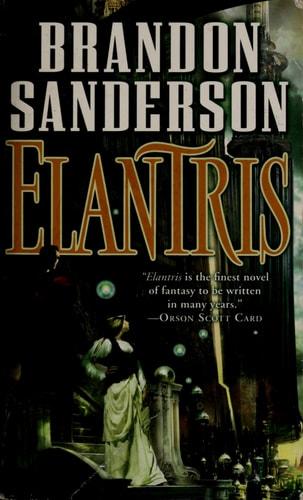
Elantris
63 chapters - View chapters and summaries
Characters (17)
| Name | Aliases | Role |
|---|---|---|
Raoden Crown prince of Arelon who is taken by the Shaod and thrown into Elantris. Despite the apparent curse, he works to rebuild the fallen city and its people from within. | Protagonist | |
Sarene Princess of Teod who arrives in Arelon to find her betrothed apparently dead. Politically astute and fiercely independent, she navigates court intrigue to protect Arelon. | Protagonist | |
Dilaf Hrathen's odiv and a Dakhor monk whose fanatical hatred of Elantrians drives him to terrible extremes. | Antagonist | |
| Antagonist | ||
Iadon King of Arelon who seized power after the fall of Elantris. A merchant-king who ties nobility to wealth. | Antagonist | |
| Supporting | ||
| Supporting | ||
| Supporting | ||
| Major | ||
| Supporting | ||
| Supporting | ||
| Supporting | ||
| Supporting | ||
| Supporting | ||
Shuden A JinDo baron living in Arelon. Practises ChayShan and brings an outside perspective to the court. | Supporting | |
| Supporting | ||
Fjon An ardent at Hearthstone. Brief interlude POV. | Minor |
Groups (3)
| Name | Type |
|---|---|
| Arelene Nobility | Faction |
| Derethi Priesthood | Organisation |
| Elantrians | Faction |
History
| Date | Event | Details |
|---|---|---|
21 April 2005 | Publication | Elantris arrived in 2005 as Brandon Sanderson's debut novel to a quiet but encouraging reception. Critics noted the originality of its central conceit - a city of fallen godlike beings trapped in a state worse than death - and recognised Sanderson's worldbuilding instincts as unusually assured for a first novel. Sales were modest, as is typical for debut fantasy, but it established him with a core readership that would grow substantially as the Mistborn trilogy and later the Stormlight Archive expanded his profile. In retrospect it reads as a promising indicator of what was to come. |
Publication21 April 2005
Elantris arrived in 2005 as Brandon Sanderson's debut novel to a quiet but encouraging reception. Critics noted the originality of its central conceit - a city of fallen godlike beings trapped in a state worse than death - and recognised Sanderson's worldbuilding instincts as unusually assured for a first novel. Sales were modest, as is typical for debut fantasy, but it established him with a core readership that would grow substantially as the Mistborn trilogy and later the Stormlight Archive expanded his profile. In retrospect it reads as a promising indicator of what was to come.