

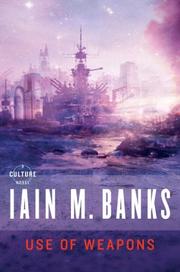


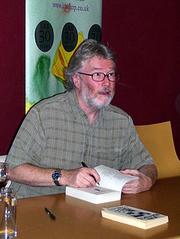
Iain M. Banks
Life Events
| Date | Event | Details |
|---|---|---|
16 February 1954 | Birth | Born in Dunfermline, Scotland, Iain Banks published The Wasp Factory in 1984 to simultaneous outrage and acclaim, and went on to write both mainstream literary fiction and, as Iain M. Banks, the Culture science fiction series. He remains one of the most significant British novelists of the late twentieth century. |
9 June 2013 | Death | Iain Banks died of gallbladder cancer in Kirkcaldy at the age of 59, just months after publicly announcing his diagnosis. His final Culture novel, The Hydrogen Sonata, had been published the previous year. He described having just enough time to get married to his partner Adele before he died. |
Birth16 February 1954
Born in Dunfermline, Scotland, Iain Banks published The Wasp Factory in 1984 to simultaneous outrage and acclaim, and went on to write both mainstream literary fiction and, as Iain M. Banks, the Culture science fiction series. He remains one of the most significant British novelists of the late twentieth century.
Death9 June 2013
Iain Banks died of gallbladder cancer in Kirkcaldy at the age of 59, just months after publicly announcing his diagnosis. His final Culture novel, The Hydrogen Sonata, had been published the previous year. He described having just enough time to get married to his partner Adele before he died.
Reading Orders
Universes (1)
Series (1)
Books (12)
Consider Phlebas
The Culture
1987
The Idiran-Culture War has engulfed the galaxy. On one side, the Idirans - vast, tripedal, and religiously certain of their right to rule. On the other, the Culture - a sprawling machine-led civilisation whose benevolent Minds make decisions no biological species can fully comprehend. Caught between them is Bora Horza Gobuchul, a Changer who can alter his appearance to mimic anyone, working for the Idirans not out of faith but out of a deep conviction that the Culture's artificial intelligences represent an existential threat to all organic life. When a Culture Mind goes to ground on a dead world forbidden to both sides, Horza is sent to retrieve it - a mission that pulls him through a mercenary crew, a collapsing orbital, and a war that has no use for individual heroism. The first novel in Iain M. Banks' Culture series, and the rare space opera told from the point of view of a man fighting against utopia.
The Player of Games
The Culture