The Great Gatsby
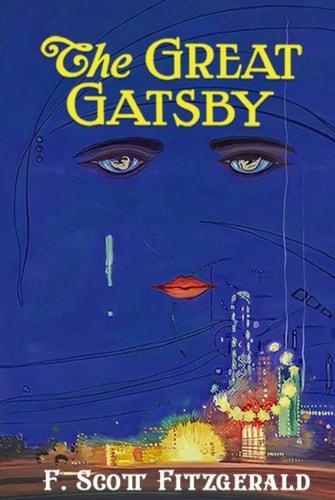
9 chapters - View chapters
Characters (8)
| Name | Aliases | Role |
|---|---|---|
Jay Gatsby A mysterious, fabulously wealthy young man known for his lavish parties at his West Egg mansion. Born James Gatz to poor farmers in North Dakota, he reinvented himself in pursuit of Daisy Buchanan. | James Gatz | Protagonist |
Nick Carraway A Yale graduate from Minnesota who moves to West Egg to work in the bond business. Gatsby's neighbour and Daisy's cousin. The novel's narrator. | Protagonist | |
Tom Buchanan Daisy's husband. A former Yale football star from an enormously wealthy Chicago family. Physically imposing, arrogant, racist, and openly unfaithful. | Antagonist | |
Daisy Buchanan A beautiful, charming socialite from Louisville, Kentucky. Married to Tom Buchanan, she lives in the fashionable East Egg. Gatsby's former love and the object of his obsession. | Daisy Fay | Major |
George B. Wilson Owner of a run-down garage in the valley of ashes. Myrtle's husband. A lifeless, spiritless man ground down by poverty. | Supporting | |
Jordan Baker A professional golfer and Daisy's longtime friend from Louisville. Cynical and dishonest, she becomes Nick's love interest during the summer. | Supporting | |
Myrtle Wilson George Wilson's wife and Tom Buchanan's mistress. Lives in the valley of ashes. Desperate to escape her working-class life. | Supporting | |
Meyer Wolfshiem Gatsby's shady business associate. A gambler reputed to have fixed the 1919 World Series. Inspired by real-life gangster Arnold Rothstein. | Minor |
History
| Date | Event | Details |
|---|---|---|
10 April 1925 | Publication | The Great Gatsby received a warm but modest critical response on publication in 1925 - reviewers admired Fitzgerald's prose style but sales disappointed him. It was far from the immediate triumph he had hoped for. The novel's reputation grew slowly, and it was only after Fitzgerald's death, and particularly through its inclusion in wartime Armed Services Editions distributed to American soldiers, that it found the mass readership that secured its place as a canonical American novel. |
Publication10 April 1925
The Great Gatsby received a warm but modest critical response on publication in 1925 - reviewers admired Fitzgerald's prose style but sales disappointed him. It was far from the immediate triumph he had hoped for. The novel's reputation grew slowly, and it was only after Fitzgerald's death, and particularly through its inclusion in wartime Armed Services Editions distributed to American soldiers, that it found the mass readership that secured its place as a canonical American novel.