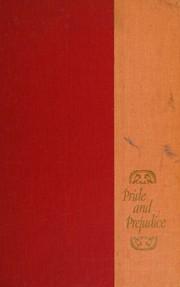
Pride and Prejudice
by Jane Austen
61 chapters - View chapters and summaries
Characters (6)
| Name | Aliases | Role |
|---|---|---|
Elizabeth Bennet The second eldest Bennet daughter. Witty, intelligent, and quick to judge. Her initial prejudice against Mr Darcy gives way to love as she discovers his true character. | Lizzy, Eliza | Protagonist |
George Wickham A charming militia officer whose good looks mask a dishonest, mercenary character. Son of the late Mr Darcy's steward, he squandered his inheritance and attempted to elope with Darcy's sister Georgiana for her fortune. | Mr Wickham | Antagonist |
Fitzwilliam Darcy A wealthy gentleman and master of Pemberley in Derbyshire. Proud and reserved, his character is gradually revealed to Elizabeth as generous and honourable beneath the surface. | Mr Darcy | Major |
Jane Bennet The eldest and most beautiful Bennet sister. Gentle, kind, and always inclined to think the best of people. Her quiet romance with Mr Bingley parallels Elizabeth and Darcy's more turbulent courtship. | Major | |
Lydia Bennet The youngest Bennet sister at fifteen. Flirtatious, reckless, and her mother's favourite. Her elopement with Wickham nearly ruins the family. | Lydia Wickham | Supporting |
William Collins A pompous, obsequious clergyman and Mr Bennet's distant cousin. Heir to Longbourn by entailment. Devoted to his patroness Lady Catherine de Bourgh, he proposes first to Elizabeth, then to Charlotte Lucas. | Mr Collins | Supporting |
Groups (1)
| Name | Type |
|---|---|
| Bennet Family | Family |
History
| Date | Event | Details |
|---|---|---|
28 January 1813 | Publication | Published anonymously as "By a Lady," Pride and Prejudice received positive reviews on publication, with critics praising the wit and social observation of the novel. It was not an immediate sensation but found a steady readership and was praised by contemporaries including Warren Hastings. Its reputation grew throughout the nineteenth century and accelerated dramatically in the twentieth, and it is now regarded as one of the greatest novels in the English language. It consistently tops polls of the nation's favourite books and has never been out of print. |
Publication28 January 1813
Published anonymously as "By a Lady," Pride and Prejudice received positive reviews on publication, with critics praising the wit and social observation of the novel. It was not an immediate sensation but found a steady readership and was praised by contemporaries including Warren Hastings. Its reputation grew throughout the nineteenth century and accelerated dramatically in the twentieth, and it is now regarded as one of the greatest novels in the English language. It consistently tops polls of the nation's favourite books and has never been out of print.